
Audio and wearable technology have become an important part of everyday life. From wireless earbuds and smartwatches to fitness trackers and portable speakers, these devices can make it easier to stay connected, enjoy entertainment, monitor daily activity, and complete tasks while on the go.
However, with so many products and features available, choosing the right technology can feel overwhelming. Some devices are designed for fitness, while others prioritize sound quality, comfort, communication, or convenience. The best option is not always the most expensive or the one with the longest list of features. It is the device that fits naturally into your lifestyle and supports the activities you already enjoy.
Before purchasing a new audio or wearable device, it helps to think carefully about how, where, and how often you plan to use it. The following tips can help you compare your options and choose technology that offers the right balance of performance, comfort, and value.
The first step is to decide what you want the device to do. Audio and wearable products can serve many different purposes, so identifying your main goal can quickly narrow down your choices.
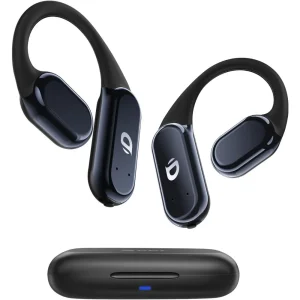
For example, someone shopping for wireless earbuds may want them primarily for workouts, commuting, phone calls, gaming, or relaxing at home. A person choosing a smartwatch may be focused on fitness tracking, notifications, navigation, sleep monitoring, or everyday convenience.
Think about your normal routine. Do you spend a lot of time exercising outdoors? Do you need to take calls while working? Are you looking for entertainment during a long commute? Do you want a device that helps you track health and activity goals?
Once you understand your main purpose, you can focus on features that actually matter. A runner may prioritize a secure fit and water resistance, while a remote worker may care more about microphone quality and all-day comfort. Someone who mainly listens to music at home may prefer richer sound and longer battery life.
Avoid choosing a device simply because it has the most features. Extra functions may sound impressive, but they may not provide much value if you never use them. A product that does a few important things well is often a better choice than one filled with unnecessary technology.
Comfort is one of the most important factors when selecting wearable technology. Even the most advanced device will not be useful if it feels uncomfortable after a short period of use.
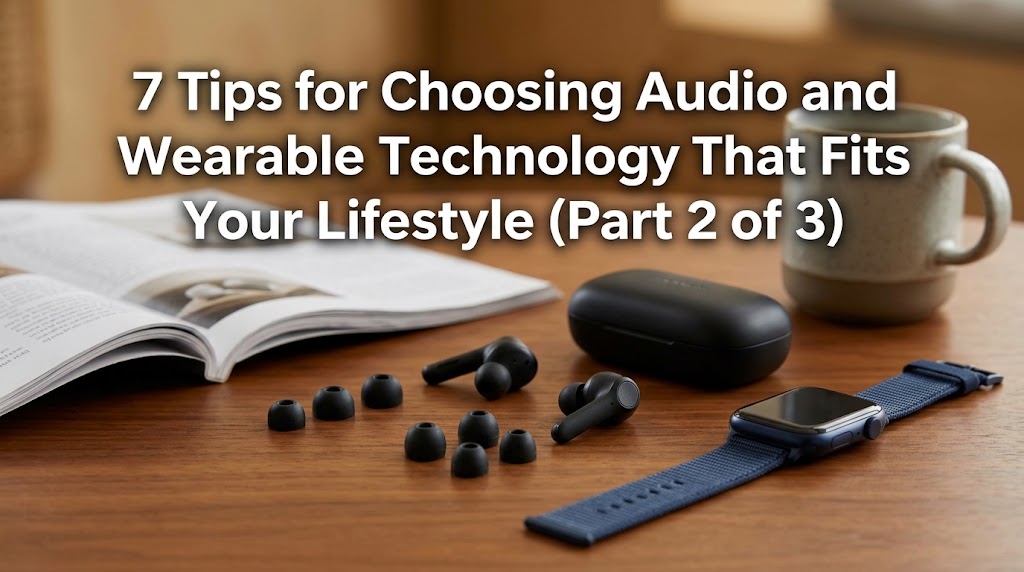
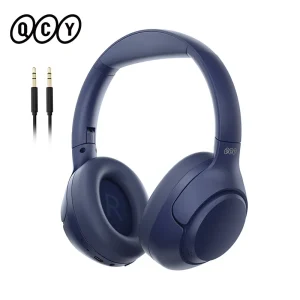
When choosing earbuds or headphones, consider how they fit your ears and head. In-ear earbuds should include different tip sizes so you can find a secure and comfortable fit. Over-ear headphones should have soft padding and an adjustable headband. If you wear glasses, look for headphones that do not place too much pressure around the sides of your head.
For smartwatches and fitness trackers, consider the size and weight of the device. A large watch may provide a bigger screen, but it may feel bulky on a smaller wrist. A lightweight fitness band may be more comfortable for workouts and sleep tracking.
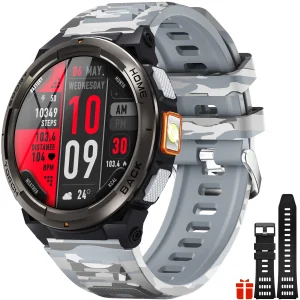
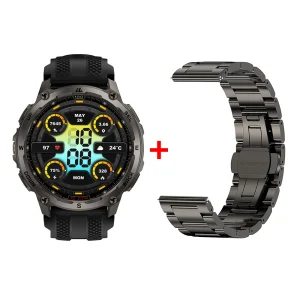
The material of the band can also make a difference. Silicone bands are often flexible and easy to clean, making them useful for exercise. Fabric or leather-style bands may feel more comfortable for everyday wear or professional settings. Many wearable devices offer interchangeable bands, allowing you to change the look and feel depending on the occasion.
Whenever possible, review product measurements and customer feedback related to fit. Comfort can be personal, but understanding the size, weight, and adjustment options can help you make a more informed choice